Development of LOX-Methane engine in ISRO
Home
/Development of LOX-Methane engine in ISRO
October 16, 2026
Liquid propulsion activities in ISRO had a humble beginning with development and delivery of small thrusters for SLV-3 and Secondary Injection Thrust Vector Control (SITVC) systems and later delivery of similar control system for ASLV. A quantum jump in liquid propulsion came through the collaborative development of the 800kN Vikas engine for PSLV, which is today the workhorse liquid engine of ISRO used in PSLV, GSLV & LVM3. Subsequently, India mastered the much-coveted Cryogenic propulsion by developing indigenous cryogenic engines & stages for the GSLV and LVM3 launch vehicles, thereby making the nation self-reliant in launching communication satellites. Similarly, on the satellite front, ISRO started with the development & delivery of monopropellant thrusters, moved on to bi-propellant Liquid Apogee Motors (LAM) needed for the INSAT communication satellites. ISRO has also developed throttle-able propulsion systems for Chandrayaan-3 lander mission that enabled the nation to be the first to land a spacecraft near the south pole of the Moon.
Globally, liquid propulsion systems have witnessed a shift towards LOX-Methane engines, considering the clean combustion, low maintenance (useful for reusability) and the ability to be synthesized on Mars from CO2 and water ice (useful for future Mars missions and human colonization). In this context, ISRO has also identified LOX-Methane engines as the primary propulsion systems for its Next Generation Launch Vehicle (NGLV) and also the future heavy lift launch vehicle required for the Indian crewed lunar landing mission targeted for 2040.
Considering the potential of LOX-Methane propulsion systems in future launch vehicles, ISRO initiated development activities in this area in 2019, to understand critical aspects of liquid oxygen–liquid methane (LOX-methane) propellants combination on engine operation. A a 20-ton thrust technology demonstrator engine (designated as LM20-TD engine) was developed & tested using the existing CE-20 LOX/LH2 cryogenic engine subsystems during the 2019-2020 timeframe. Suitable modifications were carried out in the propellant flow control system and the engine start-up system of CE20 engine to convert the engine to the demonstrator engine. The demonstrator engine operated on the gas generator cycle with major subsystems including Thrust Chamber, fuel rich gas generator, Fuel Turbopump, LOX Turbopump, Igniter, Start-up system, Control components, Flow control elements, mixture ratio control valve with electric drive. The design adequacy of all subsystems was assessed through theoretical analysis prior to the development tests. Test sequence was derived using an in-house developed mathematical model.
The existing cryogenic engine test facility at IPRC was augmented for the purpose of testing the LM20 demonstrator engine and one cold flow test and five hot tests were carried out successfully. With the data obtained from these tests, vital inputs were derived on chill down characteristics, thrust chamber and gas generator ignition, engine starting, combustion and rotor-dynamic systems performance for a LOX- Methane engine.
The inputs derived from the Technology Demonstrator engine have been gainfully utilized in the design of LOX-Methane engine that is under development in ISRO.
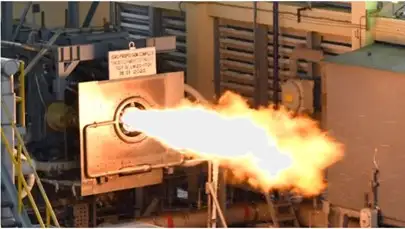
Hot test of Technology Demonstrator Engine (LM20-TD) at IPRC
In 2023, ISRO formally initiated the development of key technologies for a 1100kN LOX-Methane engine (LME1100), that focused on the development & validation of key technologies leading to the different subsystems of the engine viz. turbopumps, igniter, gas generator and thrust chamber.
LME1100 engine is designed as a Gas Generator Cycle (GGC) based engine where the design is optimized for industry friendliness and cost effectiveness. With the active involvement of industrial partners across the nation, more than 70% of the LME1100 engine components have been realized through Additive Manufacturing.
The Gas Generator (GG) is realized through additive manufacturing and is under qualification tests at IPRC. The sub-scale version was subjected to extensive testing at lab level to derive the ignition sequence using the spark torch igniter and to characterize the additively manufactured injector elements during ignition. The first ignition test of the full-scale Gas Generator was successfully carried out on October 9, 2026 and a series of similar tests are planned to evaluate the performance under different conditions.
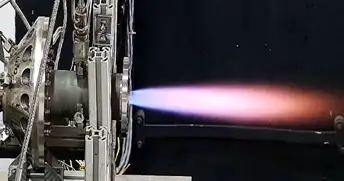
Sub-scale GG Hot Test
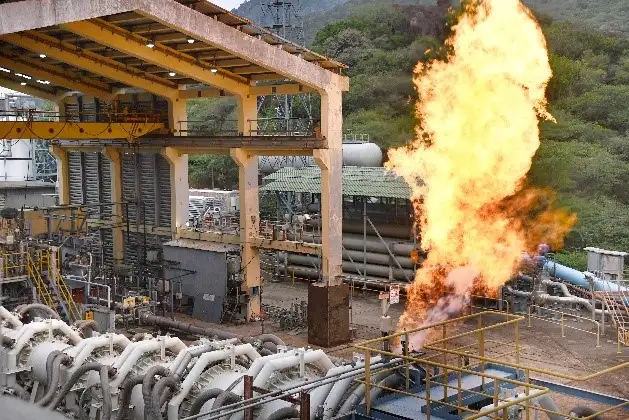
Full scale GG Cold Flow Test
Sub-scale thrust chamber hot test campaign was also carried out. The test series was used to demonstrate the novel realization techniques planned to be eventually adopted in the full scale thrust chamber. The hot test campaign was also used to characterize the injector elements designed for LME1100 thrust chamber in actual operating conditions for varying design and operating parameters. The hot test campaign carried out at IPRC not only helped in finalizing the optimal injector configuration, but also helped in demonstrating the working of oxidizer rich and fuel rich spark torch igniters.
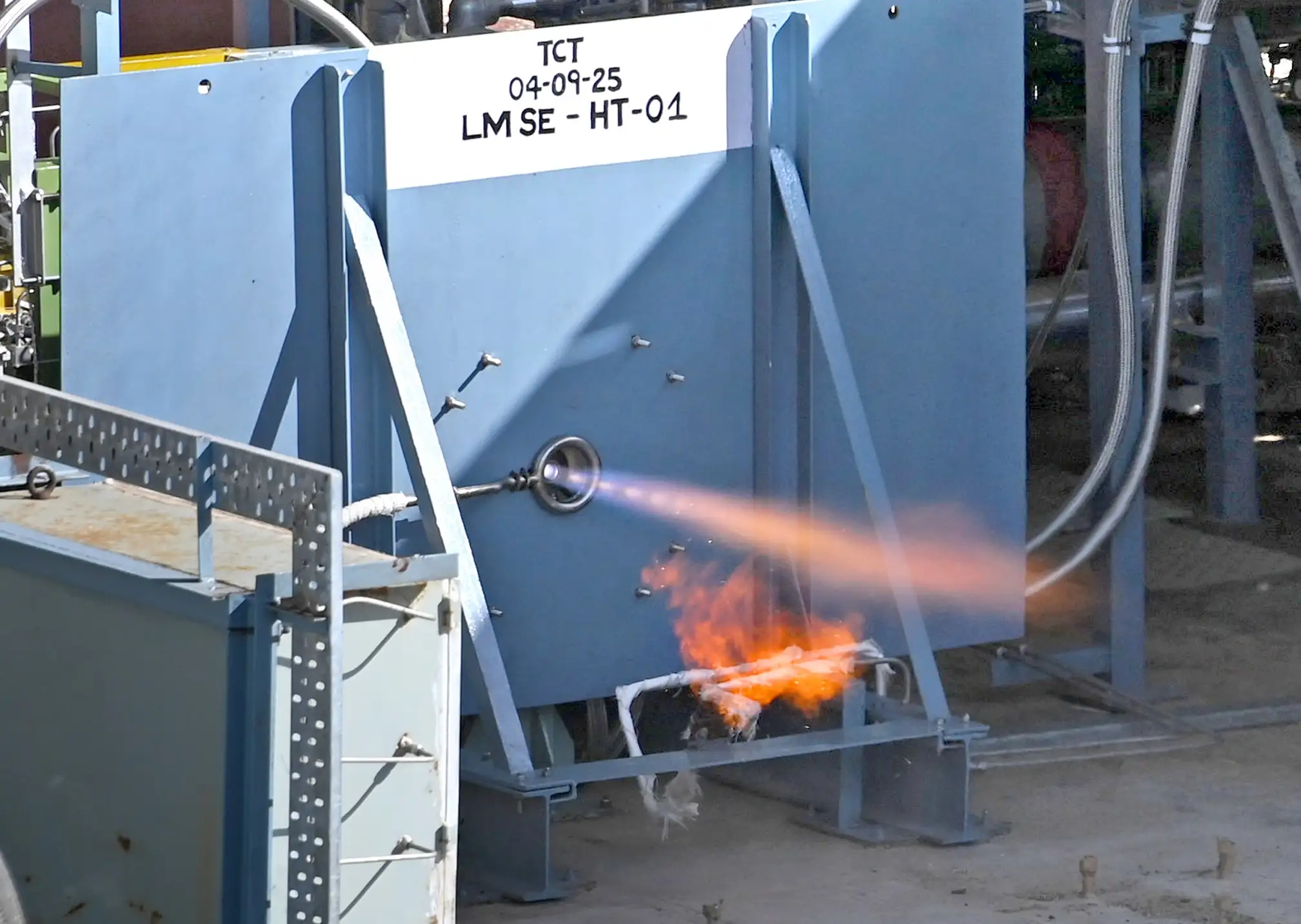
Sub-scale thrust chamber hot test
The LOX and Methane turbo-pump systems are also realized through various industries across the nation and the hardware are under different levels of sub-system testing at LPSC and IPRC. The 3D printed LOX pump impeller was subjected to spin test up to the rated operating speed at LPSC. Dynamic sealing systems and turbo-pump bearings have also been realized through Indian industries and are under qualification testing at LPSC and IPRC. Cold flow characterization of the integrated turbo-pump systems are under progress at IPRC.
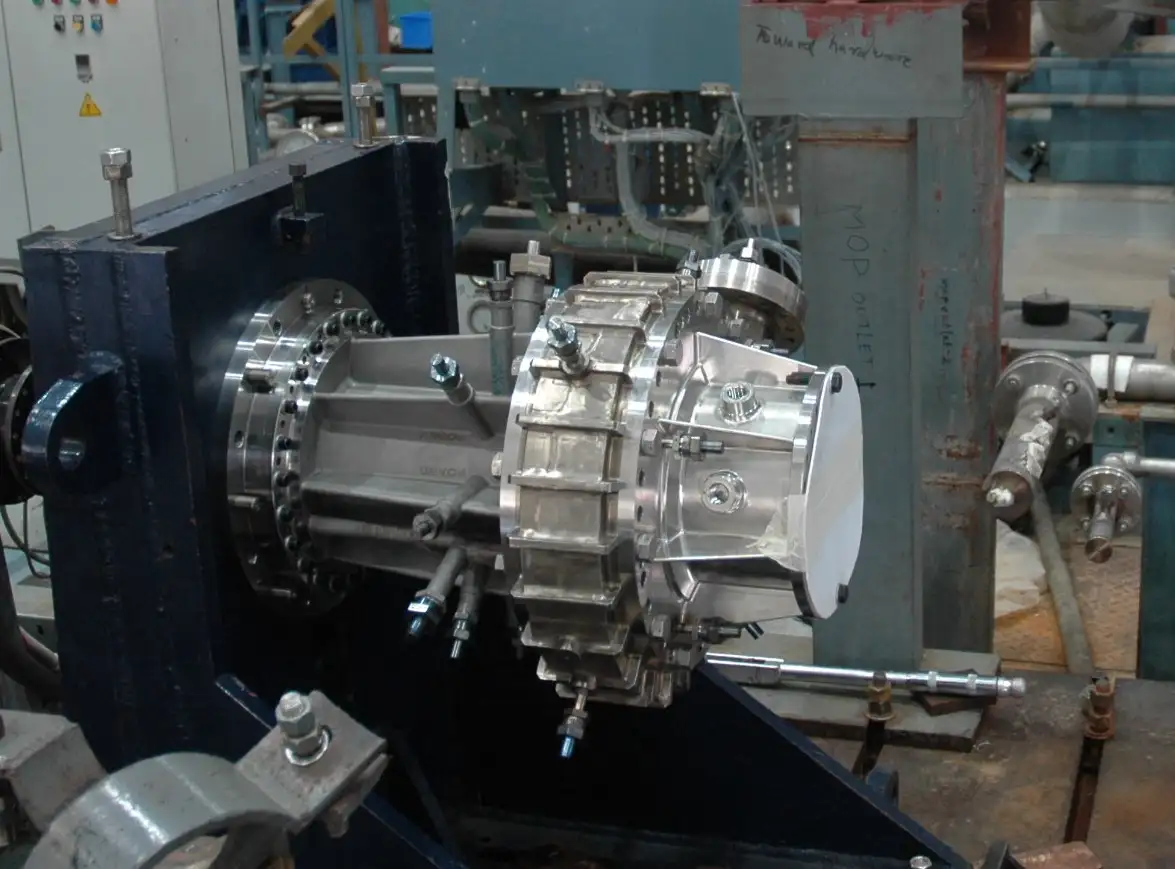
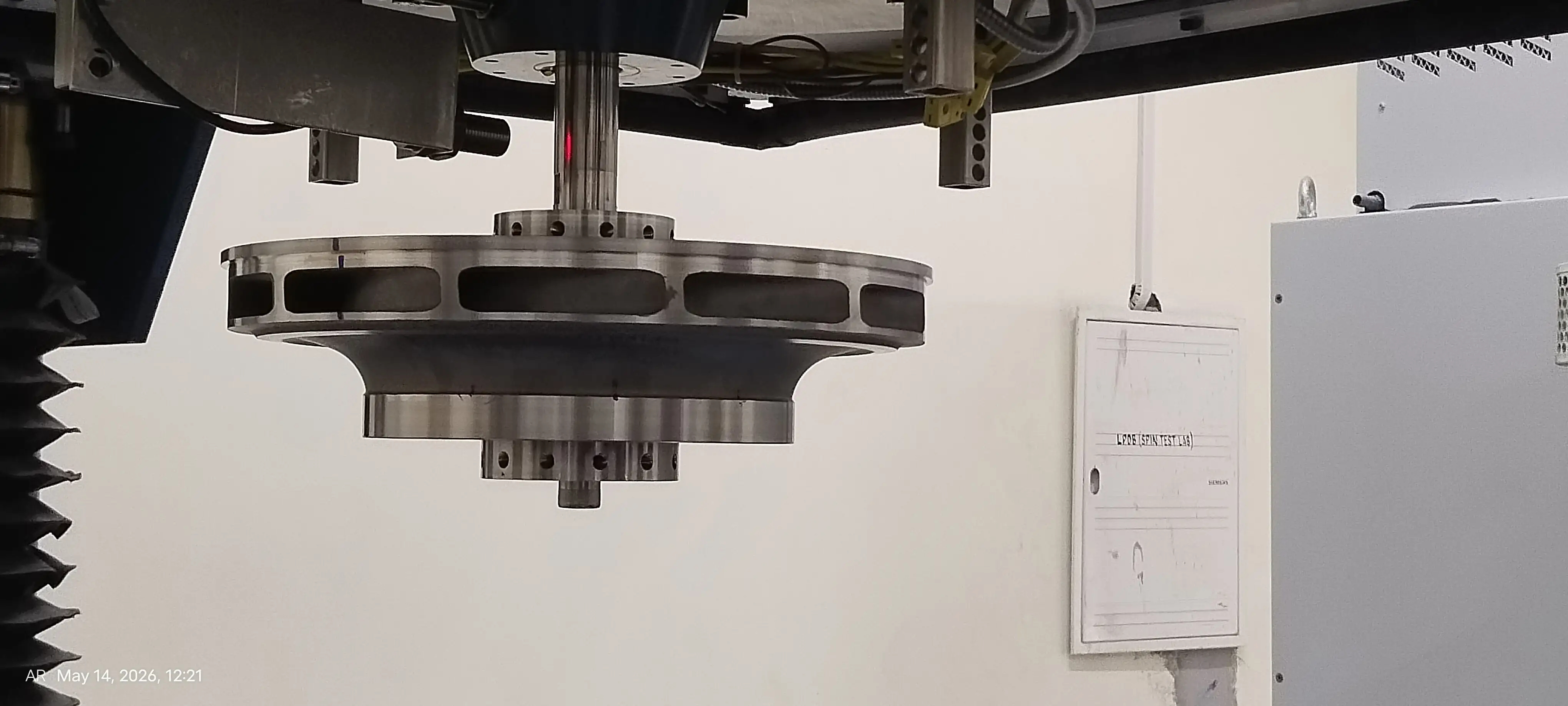
LOX Turbo pump at cold flow test facility and spin test facility
The sub-system testing activities were initiated with the ignition trials and extensive testing of the GOX-GCH4 based spark torch igniter. Both oxidizer rich and fuel rich versions of spark torch igniters were developed and tested successfully. Alternatively, an igniter using a semiconductor-based spark plug was also developed by LPSC along with VSSC and the Indian Institute of Space Science & Technology (IIST). Laser based ignition system has also been developed at LPSC and has been successfully demonstrated in igniting GOX-GH2 and GOX-GCH4 propellant combinations.
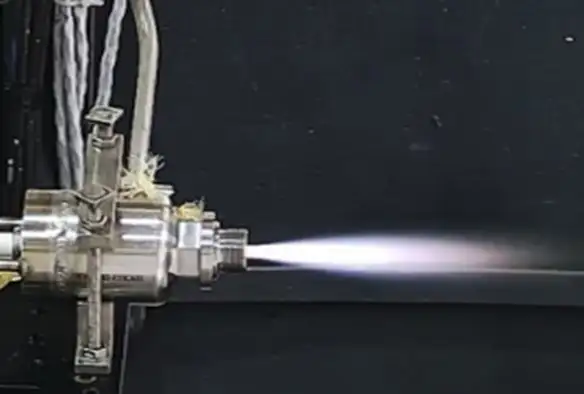
Spark torch igniter hot tests
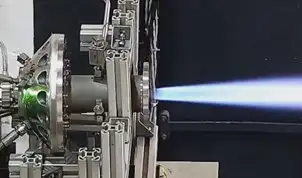
Laser igniter hot test
The integrated LME1100 engine is targeted to be ready by the middle of next year and will be subjected to a series of hot tests to qualify the same for the prescribed operating conditions including different thrust throttling profiles. Concurrently, the design activities towards the development of a 2400kN LOX-Methane engine are also completed, which is based on the Full Flow Staged Combustion Cycle (FFSCC). The 2400kN engine will enable the development of a future heavy lift human rated launch vehicle for crewed lunar landing missions.
- Description: Full scale GG hot test TCT-LME-GG-HT-01
- Format : webm
- File Size : 3.08 MB
- Duration : 00:00:27
- Plugin : NA
- Description: Igniter test HT-18
- Format : webm
- File Size : 1.08 MB
- Duration : 00:00:09
- Plugin : NA
- Description: single element hot test TCT-LM-SE-HT-01
- Format : webm
- File Size : 11.2 MB
- Duration : 00:00:27
- Plugin : NA